BEGINNER ESSENTIALS
Start with the racket in your hand
A padel racket is a solid-faced racket with a handle and wrist strap. Unlike a stringed tennis racket, its face is perforated and built from materials chosen by the manufacturer. The frame, face, core, weight, balance, and grip all influence how it feels. Published specifications can help compare equipment, but comfort and handling are personal. If a club offers rental rackets, trying one before buying can be a practical first step.
Round, teardrop, and diamond-shaped designs are common descriptions of racket shape. Broadly, round designs are often chosen by players who value a forgiving, easy-to-handle feel; teardrop shapes are presented as a middle ground; and diamond designs may be selected by players seeking a firmer, more demanding feel. These are general tendencies, not guarantees. Racket shape alone does not determine performance. Weight, balance, materials, technique, and individual preference also matter.
Weight, balance, and feel
A lighter racket may feel easier to manoeuvre through quick exchanges, while some players prefer the more substantial sensation of a heavier design. A heavier racket can feel tiring for some users, especially if it is difficult to move comfortably. Balance describes how weight is distributed and affects the sensation in the hand: a more head-light feeling can seem quick to reposition, while weight further toward the head can feel different during a swing. Compare actual rackets safely in person if you can, and choose one you can move without straining.
Racket faces and cores use different constructions, and brands describe their feel in varied ways. Some designs feel firmer on contact, while others may feel softer. Marketing language is not a substitute for trying equipment. Ask a knowledgeable retailer or coach to explain published specifications, and remember that playing style, skill, and comfort change how any racket feels.
Don't forget the ball
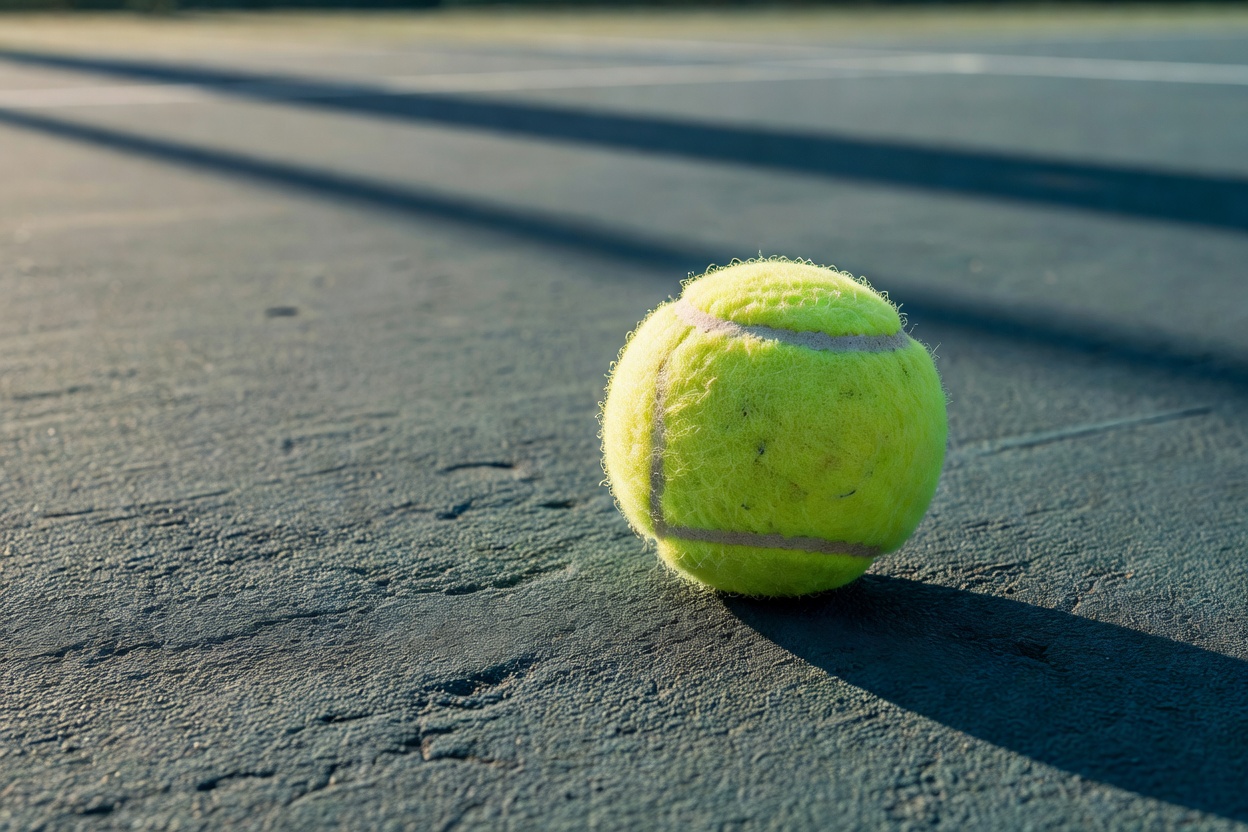
Padel balls resemble tennis balls but are designed for padel play. Ball condition, pressure, and the playing environment affect how a game feels. For a casual visit, the club may supply balls or offer them for sale; check before you go. If you bring your own, follow event or venue guidance on approved equipment. Store balls and other kit away from excessive heat and damp, and replace worn equipment when it no longer performs as expected.
Footwear and court grip
Comfortable sports shoes with stable support and an outsole suited to the court are a sensible starting point. Padel courts often use artificial turf, but surface types and maintenance vary. Different shoe-sole patterns can feel different: a tread designed to grip a textured surface may behave unlike a flatter indoor-court sole. Match footwear to the facility's advice and inspect the outsole for wear. Shoes that feel secure for side-to-side movement and changes of direction are preferable to running shoes chosen without considering court grip. No shoe can guarantee injury prevention.
Try the shoes indoors or in a safe area before a match. Check that they fit securely, do not pinch, and allow comfortable movement. Ask the venue about footwear rules, especially where court surfaces differ or facilities have indoor/outdoor crossover.
Small accessories, useful comfort
An overgrip is a thin wrap placed over the racket handle to adjust feel and absorb moisture. Choose a grip that feels secure without needing to squeeze excessively; replace it when worn or slippery. The racket wrist strap should be attached and worn according to the maker's instructions. It is a standard part of using the racket, not a substitute for careful handling.
Optional protective accessories may include eyewear designed for racket sports, a cap or visor outdoors, and a small towel. Whether an item suits you depends on your setting and preference. Avoid unsupported claims that an accessory will prevent injury or improve performance. Bring water, follow venue rules, and keep loose items clear of the playing area.
Beginner and experienced-player needs
Beginners usually benefit from a manageable, comfortable racket and reliable shoes rather than a highly specialised setup. Ask to borrow or rent equipment at the club, then note what felt comfortable after a session. More experienced players may care about a precise weight, balance, surface feel, or consistency with their familiar racket. They still need to balance those preferences with comfort and the court conditions they play in.
A more manoeuvrable racket can feel easy to reposition, though a player may prefer another balance or contact sensation. Firmer-feeling designs can offer a distinct response but may feel less comfortable to someone who prefers a softer touch. A lighter model may feel easier to handle, while a heavier one may feel more substantial; the right choice depends on the person, not a universal rule. Do not buy based on a promise of power, control, or effortless improvement.
Your first-session checklist
- Comfortable sports clothing and court-appropriate shoes.
- A racket and balls, or confirmation that the club provides rentals.
- A correctly fitted wrist strap and an overgrip if desired.
- Water, a towel, and optional sun protection for outdoor play.
- Confirmation of court surface, footwear rules, and session details.
- A safe place outside the court to store bags and personal items.
Take care of your equipment by wiping it clean, letting damp kit dry naturally, and storing rackets away from extremes of heat or cold. Follow the manufacturer's care instructions and check the frame, strap, grip, and shoes periodically. Your best first purchase is the one that feels comfortable, suits the venue, and leaves you keen to play again.