A PRACTICAL CLUB CHECKLIST
Start with how you will use the club
Padel clubs vary from specialist venues built around the sport to a few courts within a larger leisure facility. Before comparing amenities, think about your likely rhythm: occasional social games, a weekly session with friends, lessons, or regular competitive play. A convenient club with the right level of play may suit you better than a larger venue that is harder to reach.
Many venues offer pay-as-you-play court hire, memberships, or a mixture of both. Membership can sometimes include booking privileges or other benefits, but terms differ. Check what is included, whether there is a joining commitment, how far ahead members can reserve, and whether a separate court fee applies. For an occasional player, casual booking may be simpler. A regular player may value predictable access. Compare the actual conditions rather than assuming one model is always cheaper.
Booking, busy periods, and the first visit
Ask how reservations work: through a website, app, reception, or club-organised group. Look for clear information about session length, cancellation rules, payment, and how players find a fourth person if a group is short. Popular after-work and weekend periods can be busier than weekday daytime slots; actual demand depends on the venue and season. If your schedule is flexible, ask whether quieter times are available and whether coaching or social sessions run then.
For beginners, the first booking can feel like the biggest hurdle. Ask whether the club has introductory sessions, beginner-friendly group games, a social ladder, or a way to join a coached taster. These formats help you meet players at a similar stage and learn basic court etiquette without needing to arrive with a complete group. A friendly reception and clear joining instructions are useful signals of how approachable the experience may be, but they are not a guarantee of the playing community.
Facilities are more than the court
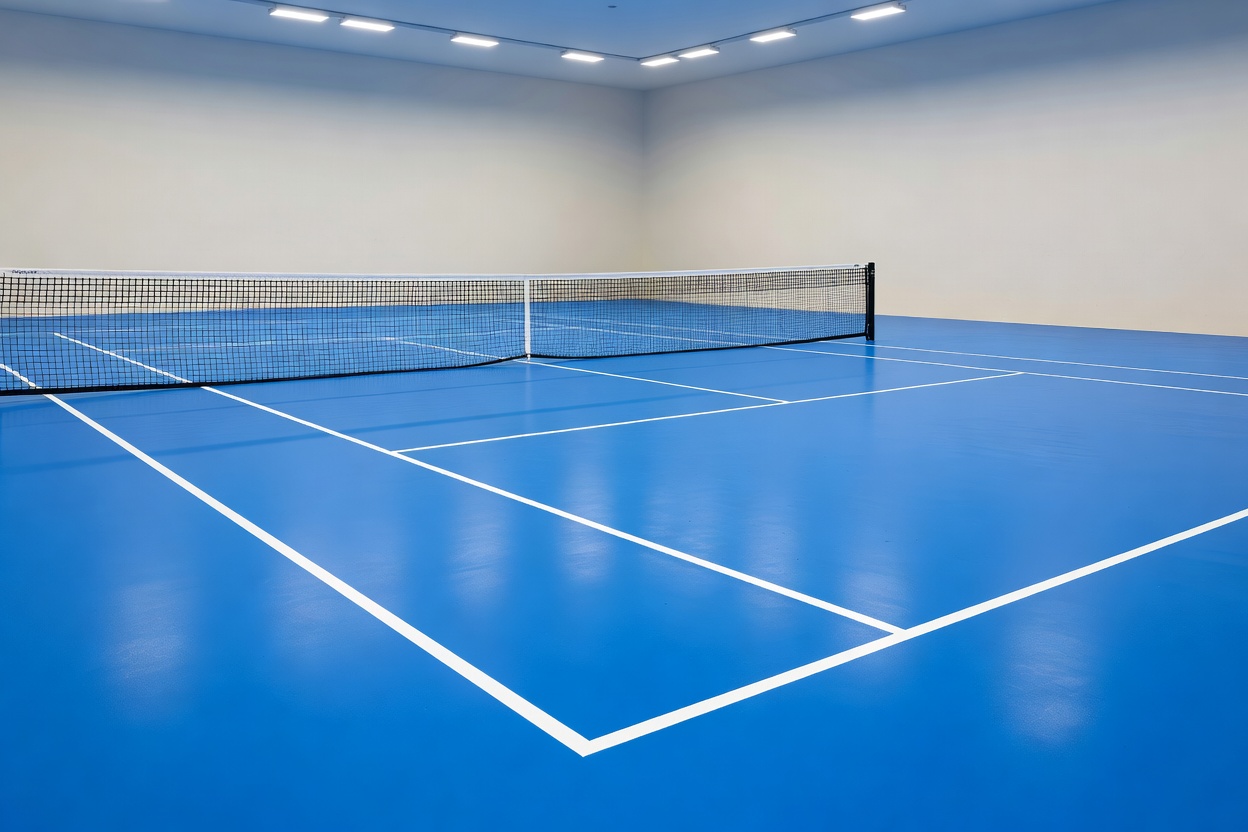
Indoor facilities can make sessions less exposed to weather, while outdoor courts may offer open-air play and a different atmosphere. Neither is automatically better: lighting, ventilation, roof clearance, surface care, and the condition of the glass all matter. If possible, look at court photographs or visit at a time similar to your planned session. Ask what footwear is suitable and whether the court surface is maintained routinely.
Changing rooms, toilets, showers, lockers, seating, refreshments, and accessible routes vary widely. Find out which amenities are actually open to court users, whether lockers need a coin or personal lock, and whether there is a comfortable place to wait between games. Equipment rental may be available at some locations, but do not assume it is included or available at every time. Confirm racket and ball arrangements before travelling if you need to borrow kit.
Different venue types, different trade-offs
- Dedicated padel clubs may offer a stronger padel community, multiple court sessions, organised play, and coaching options. They can be less convenient if there is no nearby venue or transport link.
- Multi-sport facilities combine padel with other activities and may suit households or groups with varied interests. Padel-specific social programming and court availability depend on the operator.
- Leisure centres with padel courts can be familiar and easy to reach, though padel may be one part of a wider timetable and the range of club events can vary.
- Outdoor community courts can provide a straightforward local option. Check booking arrangements, lighting, weather exposure, changing provision, and how support works if a court needs attention.
- Private facilities may offer a focused playing environment, but entry rules, access arrangements, and membership conditions need checking in advance.
Match the club to your playing stage
A beginner may prioritise welcoming introductions, rental equipment, clear instructions, and other new players. A casual player might care most about easy group bookings, convenient transport, and flexible session times. A regular competitor may look for organised match play, coaching, consistent court conditions, and a suitable level of opposition. These are selection criteria, not claims about any particular venue: facilities, prices, availability, and membership conditions vary by club and location.
Before joining, ask whether you can book a trial session, what happens if weather interrupts play, how far in advance courts open for booking, and whether beginner sessions are still running. Confirm travel options, bicycle storage or parking arrangements, step-free access, and any details that affect your visit. Current schedules and rules should always be checked directly with the venue.
Quick evaluation checklist
- Court surface, glass, net, and lighting look cared for.
- Booking, cancellation, and payment rules are easy to understand.
- Suitable beginner sessions, social games, or coaching are available if wanted.
- Changing facilities, equipment access, and waiting areas meet your needs.
- Transport, access routes, and session times fit your routine.
- The player community and expected standard feel comfortable.
There is no universal best club. A short visit, a first social game, and a few direct questions can tell you more than a glossy facilities list. Keep your needs specific, confirm current details with the operator, and leave room for the most important test: whether you want to come back for another game.